Most private tenancies in England come under the Electrical Safety Standards in the Private Rented Sector (England) Regulations 2020. They apply whether or not your property also needs a council licence, so every Brighton & Hove landlord works to them.
Your duties as a private landlord
- Have the electrical installation inspected and tested by a qualified person at least every five years, or sooner if the last report says so.
- Make sure a valid report is in place before a new tenancy begins.
- Give existing tenants a copy within 28 days of the inspection.
- Give a new tenant a copy before they move in.
- Give a prospective tenant a copy within 28 days of their written request.
- Send the council a copy within 7 days of its written request.
- Keep a copy for the inspector who carries out the next inspection.
- Complete remedial work or further investigation within 28 days (or sooner if specified), then confirm it in writing to the tenant and the council within 28 days of finishing.
The deadlines after an inspection
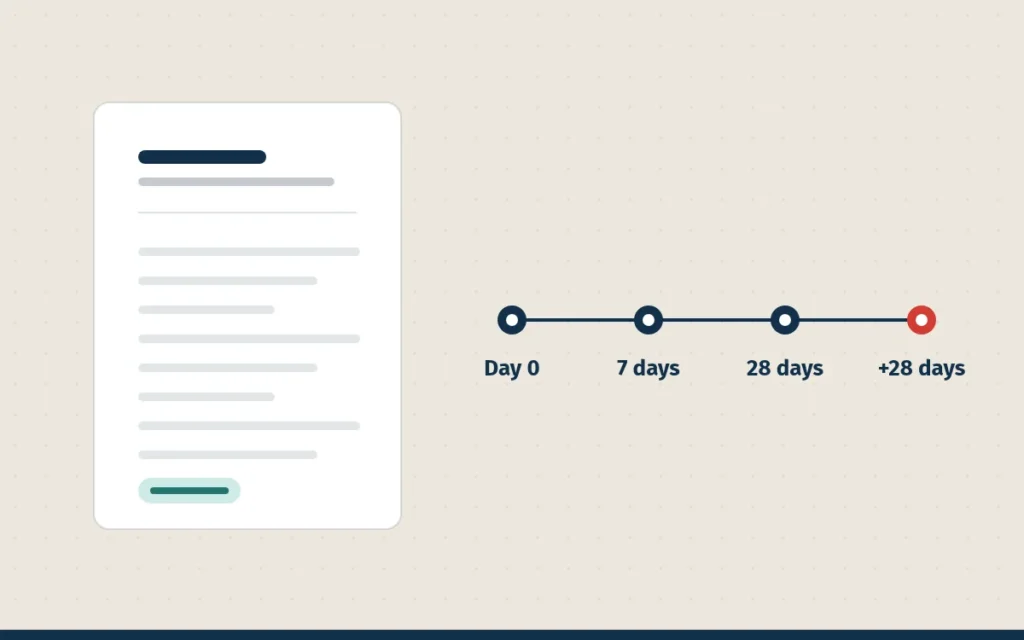
It helps to think of the inspection as day 0. From there:
- 7 days: if the council asks in writing, send it a copy of the report.
- 28 days: existing tenants get their copy, and any C1, C2 or FI items are fixed or investigated, unless the report sets a shorter time.
- 28 more days: written confirmation of the completed work goes to the tenant and the council.
What happens if you don’t comply
The council can impose a civil penalty of up to £40,000 per breach. That maximum went up from £30,000 under S.I. 2025/1043, for specified purposes from 1 November 2025 and fully from 1 May 2026. The council can also arrange urgent remedial work itself and recover the cost from the landlord.
Landlords have a defence if they took all reasonable steps. A tenant refusing access doesn’t by itself mean you’ve failed, provided you can show your attempts, so keep a record of the notices you sent, the dates you offered and the tenant’s replies.
Who isn’t covered
- Lodgers who share a home with the landlord
- Long leases of seven years or more
- Student halls of residence, hostels and refuges
- Care homes, hospitals, hospices and NHS accommodation
- Holiday lets, because guests don’t hold a tenancy (other duties apply)
Brighton & Hove’s licensing schemes add their own conditions on top of these rules, so check whether your ward and the people living there mean you need a licence as well.
Source: legislation.gov.uk, S.I. 2020/312, as amended by S.I. 2025/1043. Checked October 2026. This is a guide, not legal advice.
Not sure where you stand? Call 020 3386 1854 or send us a message.

